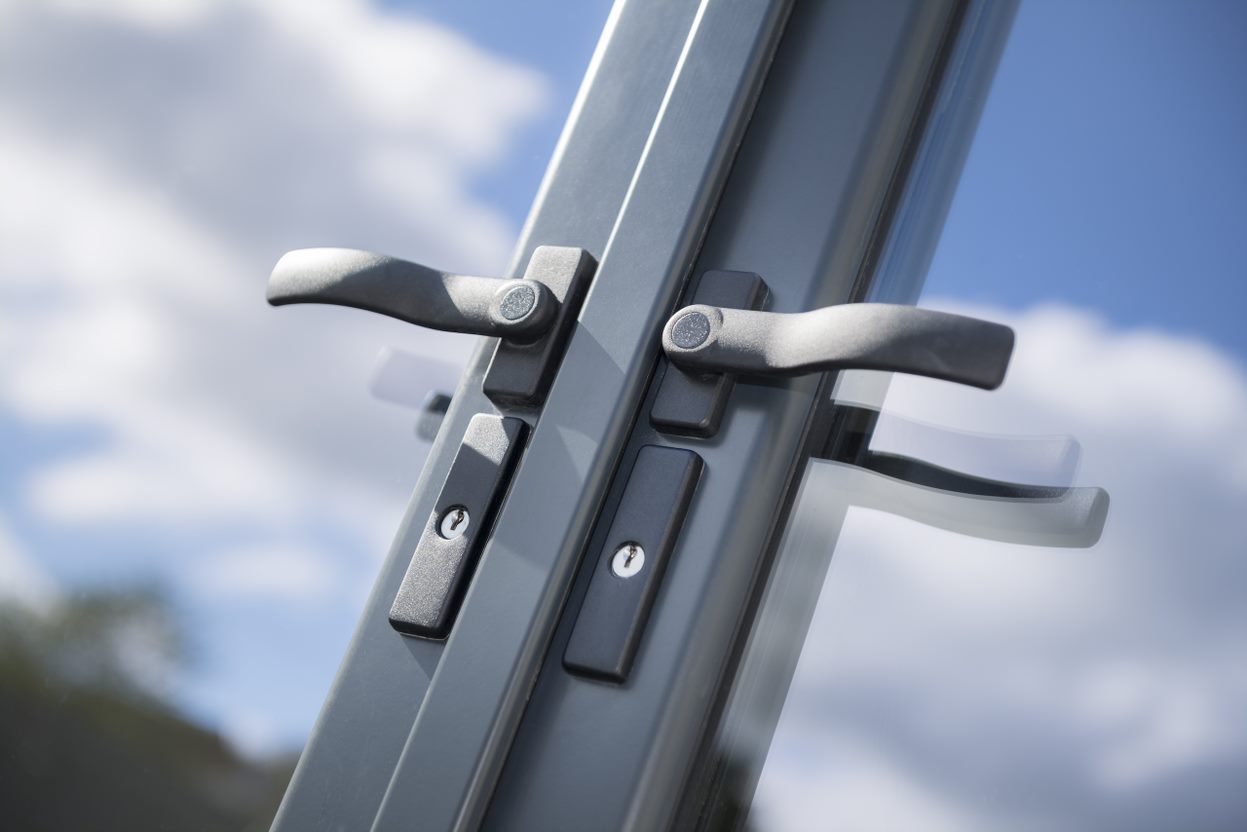
Bi-folding Door Repair: A Comprehensive Guide to Troubleshooting and Maintenance
Bi-folding doors, also understood as folding sliding doors or concertina doors, have actually surged in popularity in contemporary homes for their capability to seamlessly merge indoor and outdoor spaces. Their expansive glass panels flood rooms with natural light and create an open, airy feel, making them a preferable feature for outdoor patios, conservatories, and space dividers. Nevertheless, like any mechanical system, bi-folding doors can come across issues in time, requiring repair and maintenance to guarantee they continue to work smoothly and visually.
This post acts as a helpful guide to understanding typical issues with bi-folding doors, offering insights into DIY repair choices and when it's best to employ an expert. We will likewise look into preventative upkeep pointers to lengthen the lifespan and optimal efficiency of these remarkable door systems.
Understanding Common Bi-folding Door Problems
Before attempting any repairs, it's vital to identify the particular problem affecting your bi-folding doors. Numerous problems can occur, often stemming from wear and tear, misalignment, or incorrect upkeep. Here are a few of the most frequently come across problems:
- Difficult Operation: Doors become stiff, hard to open or close, or need extreme force. This can be due to friction in the tracks, hinges, or rollers.
- Squeaking or Grinding Noises: Annoying noises throughout operation often show an absence of lubrication, worn rollers, or debris in the tracks.
- Doors Dragging or Catching: Doors might scrape against the frame, floor, or each other. This could symbolize misalignment, warping, or harmed rollers.
- Spaces or Draughts: Visible gaps in between door panels or the frame can cause drafts, heat loss, and security issues. This may indicate issues with seals, hinges, or the locking mechanism.
- Water Leaks: Water ingress, particularly around the bottom of the doors, might suggest damaged weather condition seals or drainage blockages.
- Locking Problems: Difficulties locking or unlocking the doors can be due to misalignment, a faulty lock system, or problems with the manage.
- Harmed Rollers or Tracks: Worn, split, or damaged rollers and harmed tracks can seriously restrain smooth operation and result in other problems.
- Loose or Damaged Hinges: Hinges are crucial for the folding action. Loose or damaged hinges can cause doors to droop, bind, and run incorrectly.
Do It Yourself Bi-folding Door Repairs: Tackling Common Issues
Numerous minor bi-folding door concerns can be addressed with basic DIY skills and tools. Before starting any repair, ensure you have the essential security equipment, such as gloves and eye defense. Always describe the maker's directions if available and proceed with caution.
Here's a breakdown of common DIY repair tasks:
1. Lubrication and Cleaning:
- Identify Points of Friction: Locate hinges, rollers, tracks, and locking systems where friction seems apparent.
- Clean Tracks and Rollers: Use a stiff brush or vacuum cleaner to eliminate debris, dust, and dirt from the tracks. For rollers, thoroughly tidy around each wheel.
- Apply Lubricant: Use a silicone-based lube specifically designed for windows and doors on all moving parts. Avoid oil-based lubricants as they can attract dust and grime. Spray lubricant sparingly and clean off any excess.
- Test Operation: Open and close the doors several times to disperse the lubricant and evaluate if the operation has enhanced.
2. Changing Rollers:
- Locate Roller Adjustment Screws: Most bi-folding door roller systems have modification screws, typically accessible from the side or top of the door panels. Consult your door's handbook if you are unsure of their area.
- Loosen Up Adjustment Screws: Use a screwdriver or Allen secret to a little loosen the adjustment screws.
- Adjust Roller Height: Gently adjust the roller height to raise or reduce the door panel. This may need minor experimentation. Adjust in small increments and check the door operation after each adjustment.
- Tighten Adjustment Screws: Once smooth operation is accomplished, securely tighten up the modification screws to lock the rollers in place. Guarantee you change all rollers similarly to keep even weight circulation and positioning.
3. Tightening Hinges and Hardware:
- Inspect Hinges: Check all hinges for looseness or damage.
- Tighten Up Loose Screws: Use a screwdriver to tighten up any loose screws on hinges, manages, and locking systems. Take care not to overtighten and strip the screw heads.
- Replace Damaged Screws: If screws are removed or damaged, replace them with properly sized replacements.
- Check Handle and Lock Fixings: Ensure handles and locking systems are firmly fastened and working properly.
4. Weather Seal Replacement:
- Identify Damaged Seals: Inspect weather seals around the door boundary for cracks, tears, or wear and tear.
- Get Rid Of Old Seals: Carefully remove the old weather condition seals, often they are push-fit or glued in place.
- Clean Seal Channel: Clean the channel where the weather seal sits to remove any debris or adhesive residue.
- Install New Seals: Cut the new weather seal to the right length and thoroughly push or glue it into the channel, ensuring a tight and continuous seal.
When to Call a Professional Bi-folding Door Specialist
While DIY repairs can deal with small issues, specific issues require the knowledge of a qualified bi-folding door repair expert. Attempting complex repairs without the best knowledge and tools can get worse the problem and potentially jeopardize the door's integrity and security.
Here are scenarios when expert assistance is highly suggested:
- Significant Misalignment: If you can not solve dragging, capturing, or gaps with easy roller adjustments, it might show a more major structural problem within the door frame or opening.
- Harmed Tracks or Rollers: Replacing tracks or rollers frequently needs customized tools and knowledge of the door system. Trying this yourself can be challenging and might result in more damage.
- Complex Locking Mechanism Faults: If you think a problem within the internal locking mechanism or if the locking system is complex, professional diagnosis and repair are essential to keep security.
- Glass Panel Issues: Never try to repair or replace glass panels yourself. Broken or damaged glass panels need expert handling and replacement to make sure security and appropriate sealing.
- Deformed or Damaged Door Panels: Warped or significantly harmed door panels frequently require expert assessment to figure out the cause and suitable repair or replacement.
- Repeating Problems: If you discover yourself frequently performing the same DIY repairs, it might show an underlying problem that requires expert attention to prevent future issues.
- Doors Under Warranty: Performing DIY repairs on doors still under guarantee might void the warranty. Constantly speak with the service warranty terms before trying any repairs yourself.
Preventative Maintenance: Ensuring Longevity
Proactive upkeep is essential to preventing numerous bi-folding door problems and extending their life expectancy. Routine care can save you time, money, and disappointment in the long run.
Here are important preventative maintenance suggestions:
- Regular Cleaning: Clean tracks and rollers frequently (a minimum of every couple of months, or more frequently in dusty environments) to avoid debris build-up.
- Lubrication: Lubricate moving parts (hinges, rollers, locks) a minimum of two times a year, or as needed, using a silicone-based lubricant.
- Examination of Weather Seals: Inspect weather condition seals each year for damage and replace them quickly to avoid drafts and water leakages.
- Check Fixings: Periodically inspect and tighten screws on hinges, handles, and locking mechanisms.
- Mild Operation: Avoid forcing the doors open or closed. If they are stiff, investigate the cause instead of applying excessive force.
- Professional Servicing: Consider annual or bi-annual expert maintenance and inspection, particularly for complex systems, to capture potential concerns early and ensure ideal performance.
Conclusion
Bi-folding doors are a spectacular addition to any home, boosting both looks and performance. Comprehending common repair requirements and practicing preventative maintenance will make sure these doors continue to operate smoothly and dependably for many years to come. While DIY repairs appropriate for minor concerns, recognizing when to seek professional help is crucial for intricate issues and keeping the stability and security of your bi-folding door system. By combining proactive upkeep with informed repair decisions, you can delight in the advantages of your bi-folding doors without unnecessary hassle and expenditure.
Regularly Asked Questions (FAQs)
Q: How typically should I oil my bi-folding door hinges and rollers?
A: It is suggested to lubricate bi-folding door hinges and rollers a minimum of twice a year. Nevertheless, in dusty or coastal environments, you might need to lube them more frequently, maybe every 3-4 months. Listen for squeaking or tightness-- these are good signs that lubrication is required.
Q: What type of lubricant should I use for my bi-folding doors?
A: Use a silicone-based lube specifically designed for doors and windows. Silicone lubricants are reliable at decreasing friction and are less likely to bring in dust and gunk compared to oil-based lubes. Prevent using WD-40 as a long-lasting lubricant as it can dry and draw in dust.
Q: Can I adjust bi-folding door rollers myself?
A: Yes, standard roller modifications are typically DIY-friendly. Locate the modification screws (refer to your door manual if needed), and use a screwdriver or Allen secret to make little modifications. Keep in mind to change all rollers equally and test operation after each change. If you're uncertain or the modifications do not solve the problem, speak with an expert.
Q: How do I clean bi-folding door tracks?
A: Use a stiff brush or vacuum with a crevice tool to get rid of dust, dirt, and particles from the tracks. For persistent grime, you can utilize a wet fabric or moderate soapy water, ensuring you dry the tracks thoroughly afterwards. Bifold Door Glass Replacement is necessary for smooth operation.
Q: My bi-folding doors are leaking water at the bottom. What could be the problem?
A: Water leaks at the bottom of bi-folding doors can be brought on by several concerns:
- Damaged or Deteriorated Weather Seals: Inspect and replace any damaged weather seals along the bottom edge of the doors.
- Obstructed Drainage Holes: Check for drain holes at the bottom track and ensure they are not obstructed by particles. Clear any blockages to allow water to recede.
- Inaccurate Threshold Installation: If the threshold is not effectively set up or sealed, water can permeate underneath. This may need expert evaluation and correction.
Q: How much does it normally cost to repair bi-folding doors professionally?
A: The expense of professional bi-folding door repair varies depending on the intricacy of the issue, the parts required, and the labor rates in your location. Simple repairs like roller changes or hinge tightening may cost around ₤ 100-₤ 200. More complex repairs, such as track or roller replacement, or fixing locking systems, might range from ₤ 300-₤ 500 or more. Always get quotes from numerous reputable specialists to compare rates and services.